


You do not have any favourites
News
-
What is the most economical heating for an apartment, and why?
21st November 2025 -
Living in Almoradí: best areas, cost of living and main advantages
20th November 2025 -
The PP seeks to amend the Penal Code in the Senate to legalize cutting off utilities in squatted houses.
19th November 2025 -
Feijóo criticizes Sánchez’s housing policy: “He will turn a Spain of homeowners into a Spain of precarious citizens.”
19th November 2025 -
How does the rent increase with the CPI work in 2025?
17th November 2025 -
Feijóo criticizes Sánchez's housing policy:
13th November 2025 -
How to detect fake documentation from a potential tenant
12th November 2025 -
BBVA anticipates that housing prices will rise another 7% in 2026.
11th November 2025 -
How can I know the energy efficiency of my home?
3rd November 2025 -
ERC pressures the PSOE and brings to Congress its bill to create a tax starting from the third home
30th October 2025
Dampness on terraces: the court clarifies who pays, the owner or the community
1st October 2025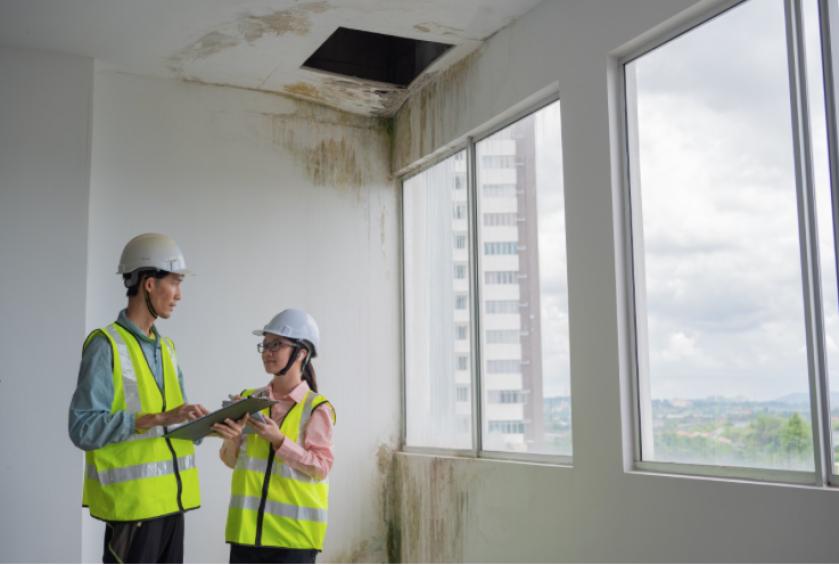
A ruling by the Provincial Court of Granada, issued on June 27, 2025, reinforces the legal position on who should bear the costs of dampness leaking from a terrace into the apartment below. The court concluded that if the source lies in structural defects — such as failures in waterproofing or water drainage systems — the community of property owners is responsible, not the attic owner.
The decision is based on Article 396 of the Civil Code, which considers floor slabs and roofs as common elements of the building. It also refers to Article 348 of the Civil Procedure Act, giving full credibility to the expert report that identified a structural origin of the damage.
Furthermore, certain community statutes were rejected as invalid since they were not registered in the Land Registry, as required by Article 5 of the Horizontal Property Act.
The Supreme Court's doctrine (Judgment No. 80/2024) supports this view: if the damage originates from structural elements, the community is responsible. Only in cases of misuse or negligent private modifications will the cost fall on the owner.